




Theatre Drottningholm
History of Baroque theatre in Drottningholm
Swedish Royal Palace in Drottningholm is situated  on Island Lovön very close to Stockholm and is also on UNESCO´s World Heritage list. A construction of the palace, that includes also baroque theatre, has started in 17th century under architect Tessin the elder and his son, both pointed by Hedviga Eleonora, the widow of Swedish king Karl X. The palace has been first designed in a French style, but later on queen Lovisa Ulrika
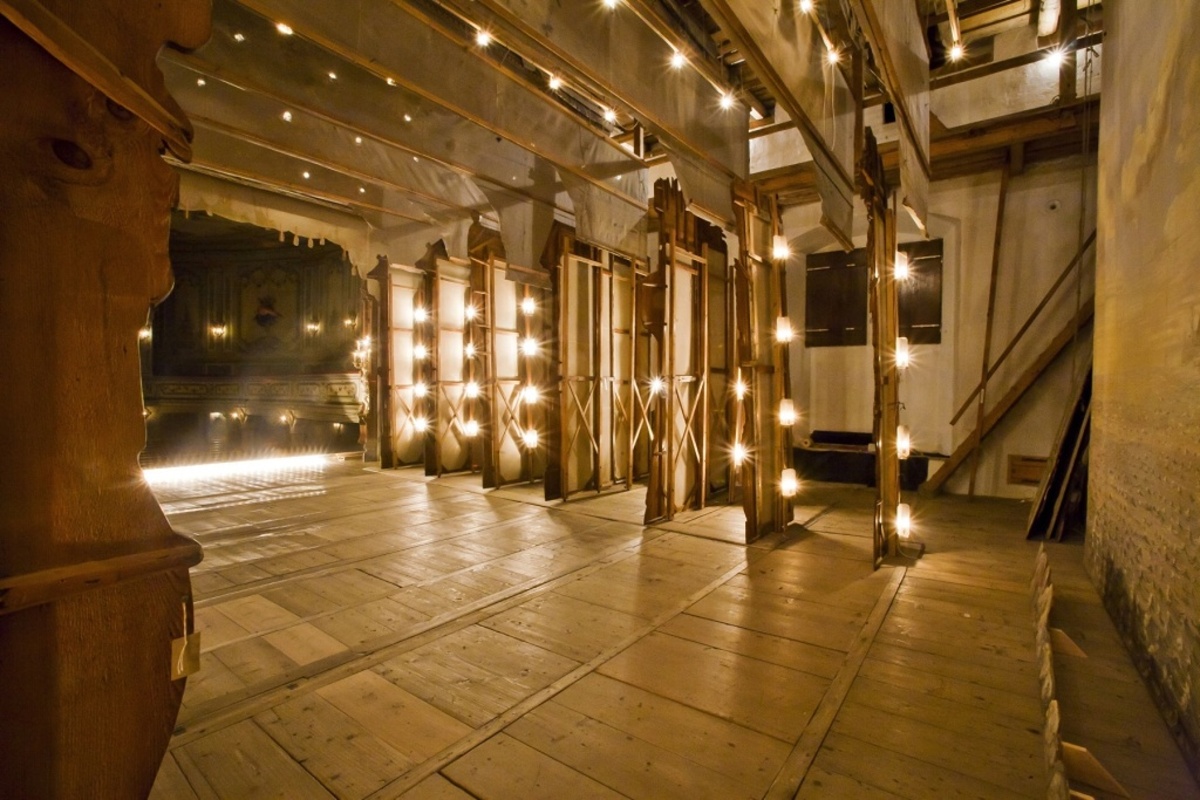
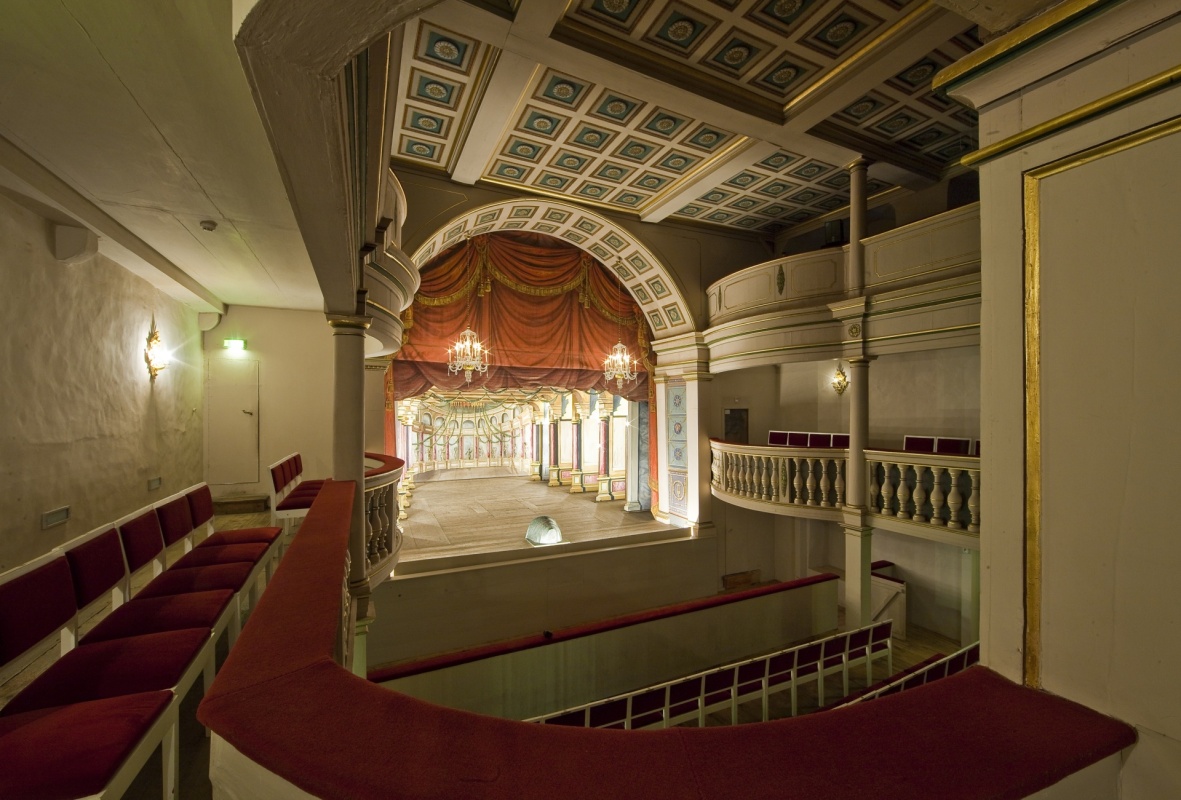
 let the palace rebuild. In 1762 the theatre has burn out and in 1766 a new baroque theatre has been constructed according to design of the architect Carl Frederik Adelcrantz and is preserved almost unchanged until today. Theatre in Drottningholm achieved great times in the years 1777 - 1792 thanks to the Swedish king Gustav III., who made it a new cultural centre of the country. Performances usually took place during summer time when the royal family moved to royal palace. Similar to other baroque theatres, moving scenery induces the illusion of different places, such as a rural cottage, a wild forest, a city or the Rome ancient palace.
 Different devices are placed behind the scenes to evoke the atmosphere of a storm or a strong wind, or other natural phenomena by faithful imitation of sounds. During the 19th century, the palace was not used and some of the buildings were even damaged and abandoned, since the king Charles XIV John of Sweden has perceived this castle as symbol of the old dynasty. The theatre was reopened in the first half of 20th century thanks to historian Agne Beijer, who made it electrified.
Nowadays, the theatre is used during summer time and performances are given in historical costumes using contemporary stage equipment and technology. Instruments in the orchestra that accompanies the musical performances are copies of period instruments or directly contemporary originals.